How Denver's Hard Water Is Silently Damaging Your Dishwasher
Denver has some of the hardest water in the country. Here is what that means for your dishwasher — and how to stop the damage before it becomes a repair bill.
How Denver's Hard Water Is Silently Damaging Your Dishwasher
If your dishes come out of the dishwasher with white spots, a cloudy film, or a gritty residue — you are not imagining it. Denver's water is genuinely hard, and it is doing real damage to your dishwasher every time you run a cycle.
How Hard Is Denver's Water?
Denver's water typically measures between 8 and 15 grains per gallon (GPG) — firmly in the "hard" to "very hard" range. The hardness comes from calcium and magnesium minerals naturally present in Colorado's water supply.
What Hard Water Does to Your Dishwasher
1. Scale Buildup on the Heating Element
Calcium deposits build up on the heating element over time, forcing it to work harder. The result: higher energy bills, longer cycle times, and eventually a burned-out element ($150–$275 to replace).
2. Clogged Spray Arms
Mineral deposits gradually clog the small holes in your spray arms, reducing water pressure and leaving dishes dirty — especially on the top shelf or back of the rack.
3. Damaged Water Inlet Valve
Scale buildup can cause the valve to stick open (flooding) or fail to open fully (not enough water for a proper wash).
4. Deteriorated Door Gasket
Hard water deposits cause the rubber gasket to stiffen and crack over time, leading to leaks.
5. Cloudy Glassware
Once glass is etched by mineral deposits, it cannot be fully restored. Prevention is the only solution.
The Simple Monthly Maintenance Routine
Monthly: Run a Vinegar Cycle — Place a cup of white vinegar on the top rack and run a hot cycle with no dishes or detergent. This dissolves mineral deposits throughout the machine.
Monthly: Clean the Filter — Twist out the cylindrical filter at the bottom of the tub, rinse under warm water, and reinstall.
Always: Use Rinse Aid — Rinse aid is not optional in Denver. Fill the dispenser every 2–3 weeks.
Every 6 Months: Inspect the Spray Arms — Remove and soak in white vinegar for 30 minutes if holes are clogged.
Signs Your Dishwasher Already Has Hard Water Damage
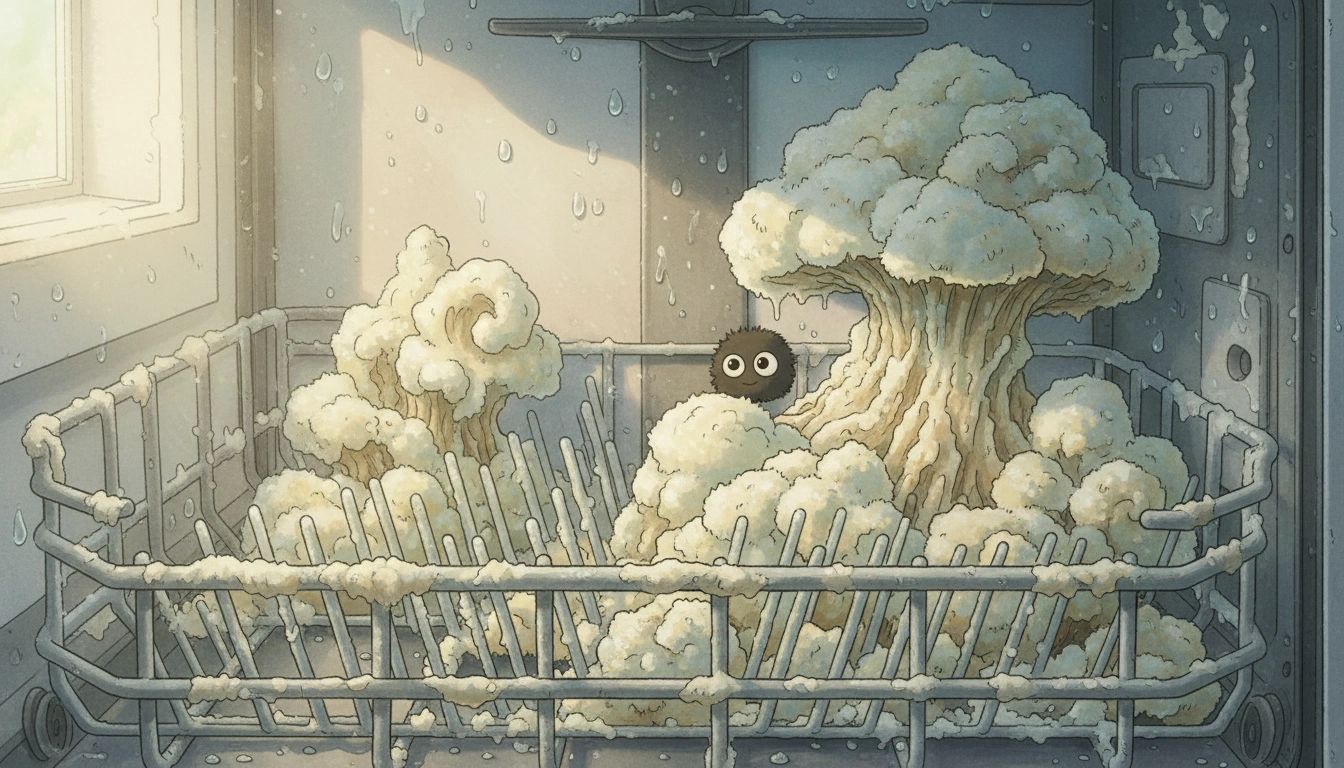
- White or gray film on the interior walls
- Cloudy or spotted dishes after a full cycle
- Dishes not getting clean in certain rack areas
- Longer cycle times than when the machine was new
- Visible rust or corrosion around the door gasket
Schedule a Dishwasher Inspection
Call (720) 333-0874 or visit our contact page. We serve all of Denver metro with same-day and next-day appointments.
Explore Topics
Share this article
Written by
Denver Appliance Repair Team
Content creator and writer sharing insights and stories.